Why Product Photography Matters for E-commerce
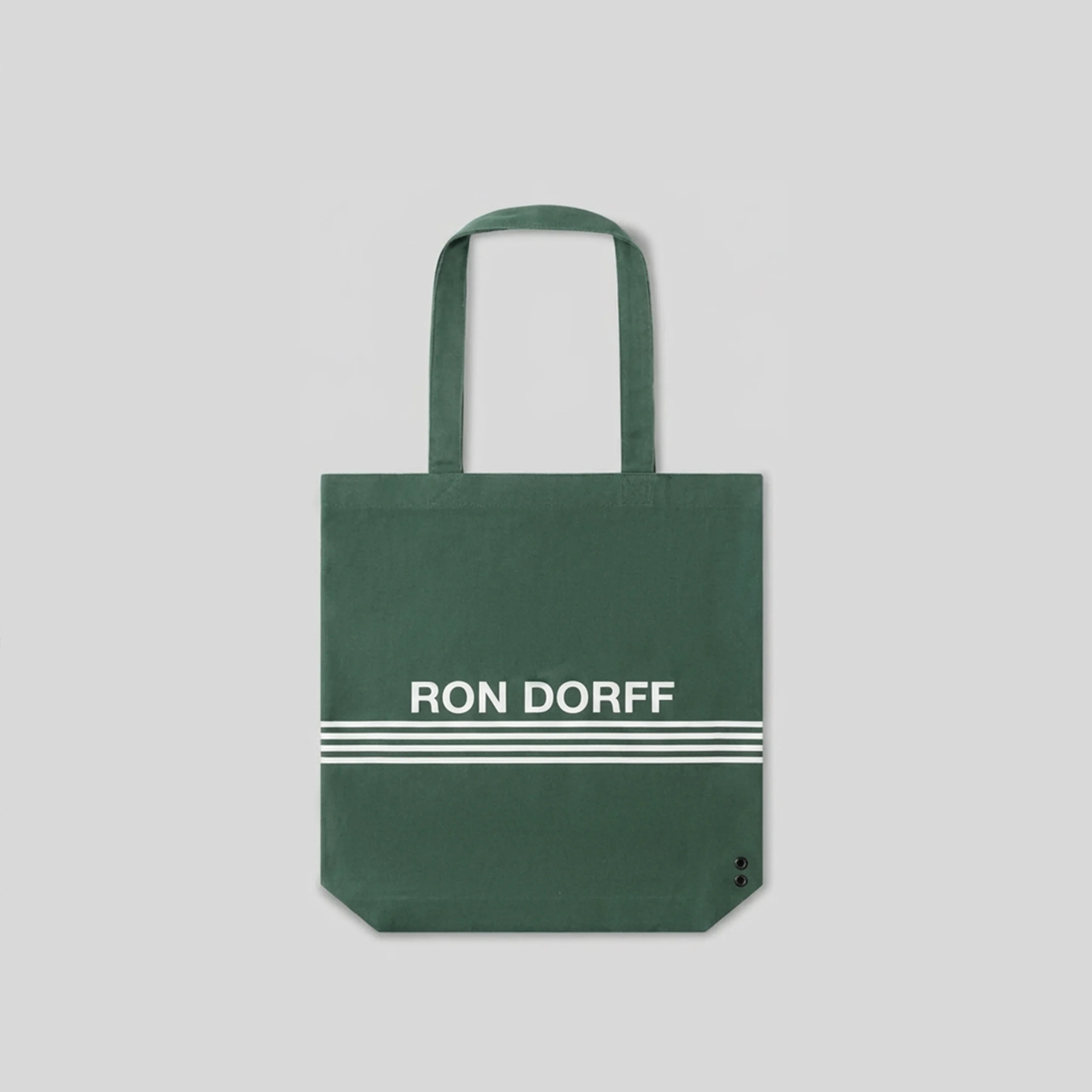
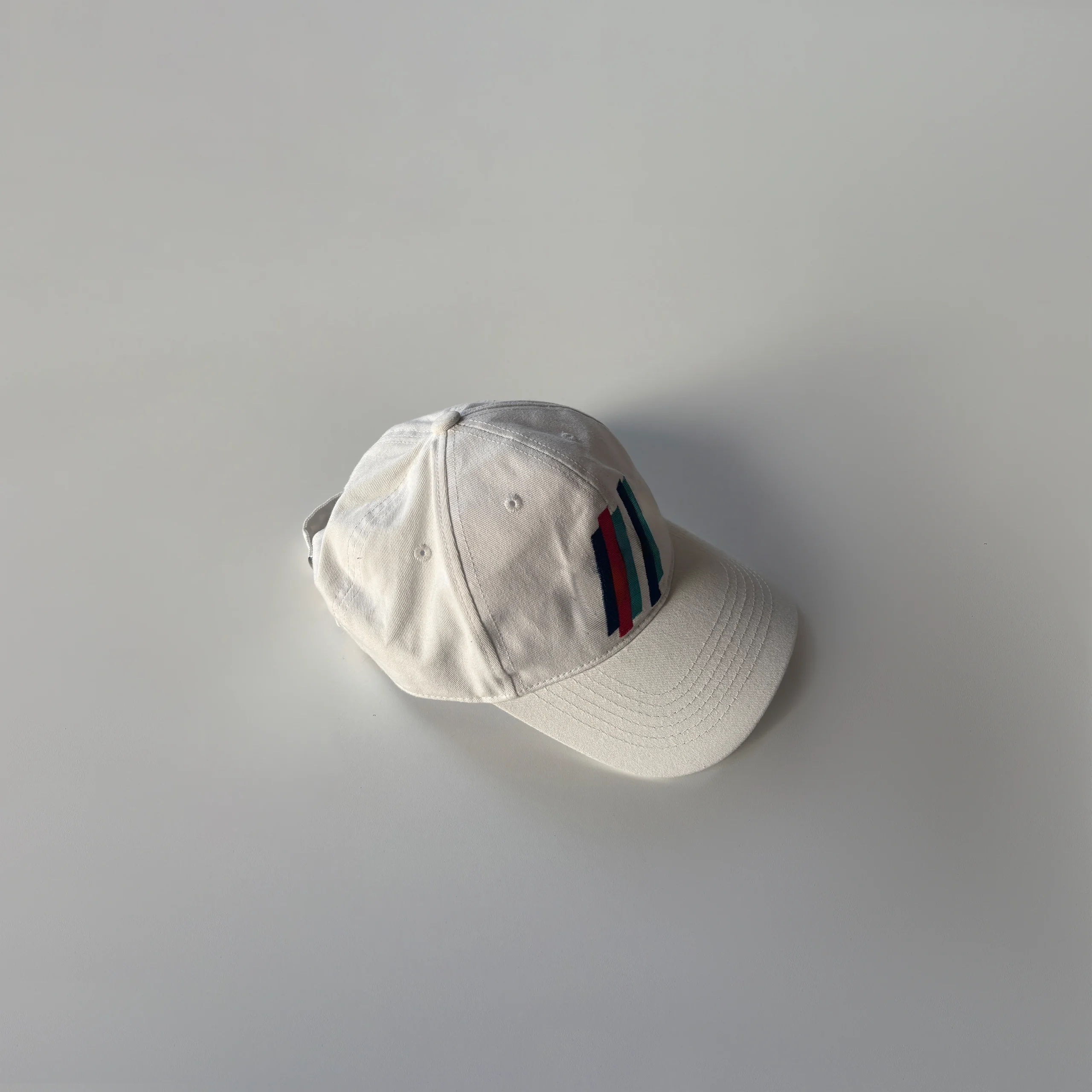
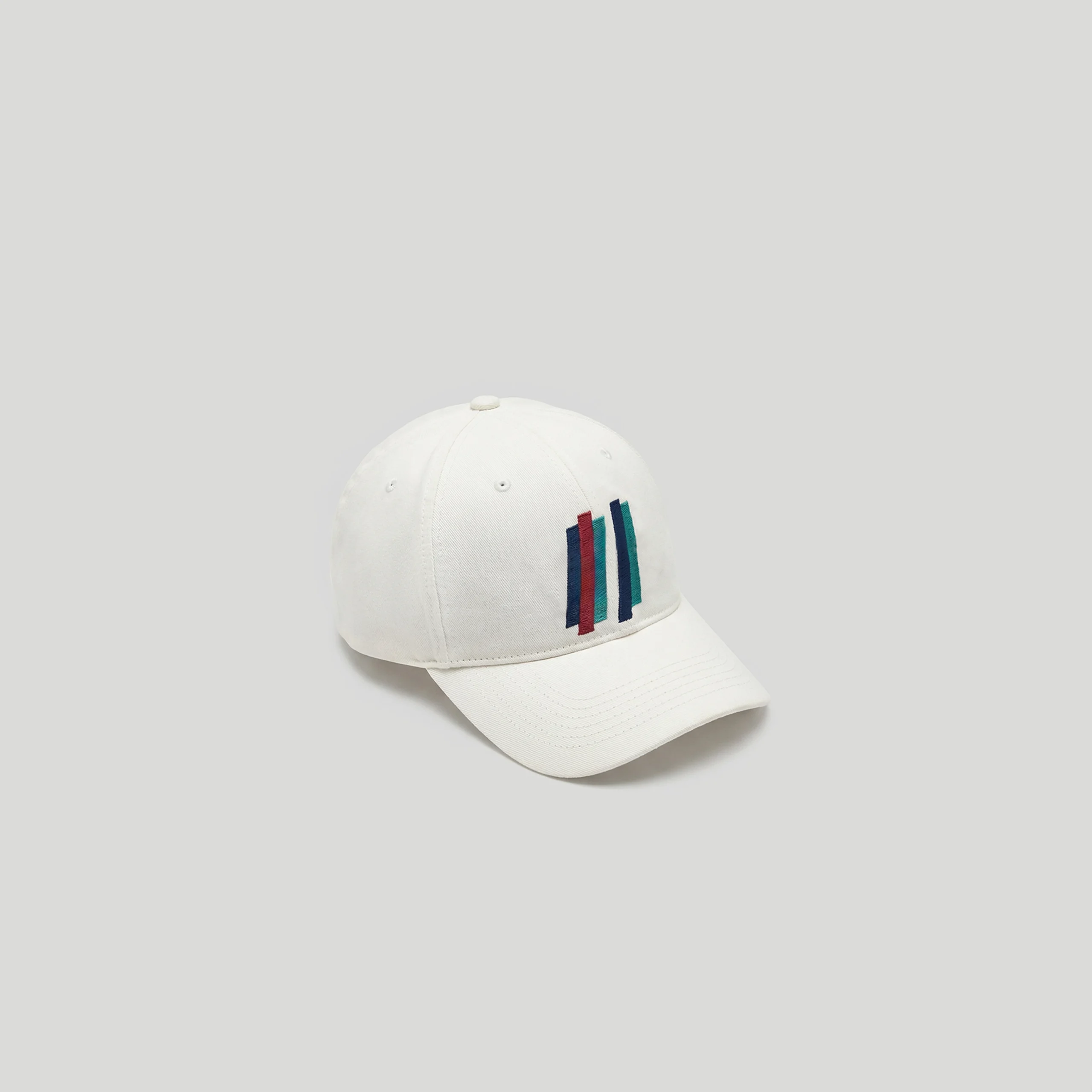
Online shoppers cannot physically touch or examine products before purchasing them. Product photography therefore becomes an important part of the shopping experience.
High-quality product images help businesses:
- Present products clearly and professionally.
- Show important details, textures, and features.
- Maintain a consistent appearance across product listings.
- Create a recognizable visual identity for their brand.
- Provide customers with a clearer understanding of what they are buying.
Whether you sell clothing, jewelry, cosmetics, furniture, electronics, or handmade products, carefully edited images can improve how your products are presented across your website and online marketplaces.
1. Create Clean Product Images With Background Removal
Background removal is one of the most common techniques used in e-commerce product photo editing. A clean background helps direct attention toward the product instead of distracting surroundings.
For example, an image of a handbag photographed against a cluttered background may look inconsistent beside other products in the same catalog. Removing the original background can create a cleaner appearance and make it easier to maintain a uniform product presentation.
Professional background removal is especially useful for:
- Clothing and fashion accessories
- Jewelry and watches
- Beauty and cosmetic products
- Electronics and gadgets
- Furniture and home decor
- Amazon, Etsy, Shopify, and other online stores
Precise editing is important. Fine edges, transparent materials, fur, hair, reflective surfaces, and intricate product details require careful attention to avoid unnatural cutouts.
Learn more about our professional background removal services.
2. Maintain Accurate Product Colors
Color accuracy matters when customers rely on photographs to understand a product’s appearance. A shirt that looks blue in the photograph but arrives looking significantly different may not meet the customer’s expectations.
Image color correction helps balance color tones, exposure, white balance, and overall brightness. The objective is to represent the actual product as accurately as possible while maintaining an attractive and consistent presentation.
Professional color correction can help businesses:
- Keep product colors consistent across different images.
- Balance exposure and lighting differences.
- Reduce unwanted color casts.
- Improve the visibility of product details.
- Maintain a consistent visual style across a product catalog.
Product images should look polished without misleading customers about the product’s real color or finish.
3. Improve Product Details Through Retouching
Small distractions can make a product photograph look less polished. Dust, unwanted marks on the photography background, uneven lighting, and minor shooting imperfections may draw attention away from the item.
Professional product retouching addresses these distractions while preserving the product’s genuine appearance.
Depending on the product and the editing requirements, retouching may include:
- Removing dust and temporary surface distractions.
- Refining lighting and contrast.
- Improving the visibility of material textures.
- Cleaning up unwanted background imperfections.
- Enhancing sharpness and important product details.
- Refining reflections and shadows where appropriate.
For jewelry, this may involve carefully enhancing gemstone details and metal finishes. For clothing, it may involve refining fabric presentation. For furniture, it may involve balancing lighting while preserving the material’s natural texture.
The goal is to enhance the photograph without making the product look artificial or concealing important defects.
4. Use Clipping Paths for Precise Product Cutouts
A clipping path is a professional image-editing technique used to isolate a product from its background. It is particularly useful when products have clearly defined edges and require precise selections.
Compared with a rough cutout, a carefully created clipping path helps preserve clean outlines and provides greater control over the selected area.
Clipping path services are commonly used for:
- Apparel and fashion accessories
- Bags and shoes
- Bottles and packaging
- Furniture and household products
- Commercial product catalogs
- Advertising and promotional images
More complex images may require multiple clipping paths, allowing different parts of a product to be selected and adjusted separately. This can be useful when changing specific colors or editing multiple product components.
Explore our clipping path services and multiple clipping path services.
5. Maintain Consistency Across Your Product Catalog
An online store may contain hundreds or thousands of products photographed at different times, under different lighting conditions, or by different photographers. Without a consistent editing process, product listings can look noticeably different from one another.
A consistent photo-editing workflow helps standardize important visual elements, including:
- Background appearance
- Image brightness and exposure
- Color balance
- Product positioning and crop
- Shadow style
- Overall retouching quality
Consistency is particularly important for fashion brands, jewelry stores, cosmetics companies, and large e-commerce catalogs where customers compare several products on the same page.
Businesses should establish clear editing guidelines so that every image follows the desired visual style.
6. Prepare Product Images for Different Online Platforms
Different e-commerce websites and sales channels may have their own image specifications and presentation guidelines. An image prepared for a brand’s website may need adjustments before it is used in a marketplace listing, advertisement, or promotional campaign.
Before editing begins, businesses should identify where the images will be used and share the relevant requirements with their editing team.
Consider the following:
- Required image dimensions and file formats
- Background and product-placement requirements
- Image quality and resolution
- Consistent cropping across product variations
- Additional images showing product details
- Requirements for promotional banners or advertising campaigns
Checking the latest requirements of each platform helps reduce unnecessary revisions and keeps product images suitable for their intended use.
7. Should You Outsource E-commerce Product Photo Editing?
Managing product photography and editing internally can become challenging when a business has a large catalog, frequent product launches, or seasonal increases in image volume.
Outsourcing e-commerce product photo editing can provide additional production capacity without requiring every editing task to be handled by an internal team.
A professional editing partner may help with:
Large batches of images: Process multiple products according to a consistent brief and naming system.
Specialized editing: Access clipping paths, background removal, jewelry retouching, color correction, and other image-editing techniques as needed.
Established workflows: Use clear instructions, reference images, quality checks, and revision guidelines to keep results consistent.
Flexible production support: Add editing capacity when product launches or campaign schedules create extra demand.
Outsourcing works best when the business and editing partner agree on image specifications, turnaround expectations, quality standards, file delivery, and communication before the project begins.
Before committing to a large project, consider testing a small batch of images. This allows you to review the editing quality and confirm that the results match your brand’s requirements.
8. How to Prepare Images for Professional Editing
Good preparation helps make the editing process more efficient and reduces avoidable revisions.
Before sending your product images to a photo-editing team:
- Provide the original files. High-resolution images give editors more detail to work with.
- Explain your requirements. Specify background preferences, colors, cropping, retouching, and the intended use of each image.
- Share reference images. Examples help communicate the desired editing style.
- Organize the files. Use clear filenames and folders to identify products, variations, and editing instructions.
- Confirm output specifications. Agree on dimensions, file formats, color requirements, and delivery arrangements.
- Review a sample first. Approve the sample style before processing the full batch.
These simple steps help create a more predictable workflow for both businesses and their editing partners.
Why Choose Light Retouch for E-commerce Photo Editing?
At Light Retouch, we help businesses, photographers, and creative teams improve their images through professional photo editing and retouching.
Our services include background removal, clipping path, multiple clipping path, product photo retouching, color correction, and specialized retouching for different product categories.
We focus on clean edges, accurate colors, careful attention to detail, and consistent results based on each client’s requirements. Whether you have a small group of product images or a larger batch for an online catalog, our aim is to provide editing support that fits your workflow.
We also understand that every product has its own characteristics. Jewelry requires attention to fine details and reflections, clothing needs careful handling of fabric and color, and furniture images may require balanced lighting and realistic shadows.
Our approach is to improve image quality while preserving the authentic appearance of the product.
Explore our photo editing services or contact Light Retouch to discuss your project.
Frequently Asked Questions
What is e-commerce product photo editing?
E-commerce product photo editing is the process of improving product photographs for online stores and marketplaces. It may include background removal, clipping paths, color correction, retouching, lighting adjustments, and image cropping.
Why is professional product photo editing important?
Professional editing helps businesses present products clearly, maintain consistent catalog images, and reduce distractions that may make products difficult to evaluate online.
Can product photo editing help maintain consistent images across a large catalog?
Yes. A defined editing style and workflow can help standardize backgrounds, colors, exposure, cropping, and overall image presentation across many products.
Can I outsource bulk product photo editing?
Yes. Businesses can outsource batches of product images when they need additional editing capacity. It is helpful to provide clear instructions, reference images, file specifications, and a sample batch before starting a large project.
Does product retouching change the actual appearance of a product?
Professional retouching should improve the photograph while maintaining an accurate representation of the product. Important characteristics, authentic colors, textures, and material defects should not be concealed in a way that misleads customers.
Final Thoughts
Professional e-commerce product photo editing is an important part of presenting an online product catalog. Clean backgrounds, accurate colors, carefully refined details, and consistent image styling help customers examine products and understand their features.
By establishing a clear editing workflow and choosing the right services, businesses can maintain a polished visual presentation as their product catalogs grow.
If your business needs reliable photo-editing support, Light Retouch is ready to help. Contact our team to discuss your requirements and test our editing quality with a few sample images.
Ready to improve your product images? Visit Light Retouch to get started.